

Noise pollution is an often-overlooked issue that can seriously affect our mental and emotional well-being. Whether it’s the constant buzz in your office or the persistent street sounds invading your home, noise can be more than just an annoyance. Research has shown that continuous exposure to unwanted sound can lead to a range of mental health problems, including stress, anxiety, and even sleep disturbances.
But what exactly are the risks, and how can we effectively mitigate them? Let’s dive into the issue, citing insights from leading acoustical experts and offering some practical solutions that can help you regain control over your space.
How Noise Affects Mental Health
Noise doesn’t just disrupt conversations or concentration — it can have deeper, long-lasting effects on mental health. According to the World Health Organization (WHO), long-term exposure to environmental noise can contribute to cardiovascular diseases, sleep disturbances, and cognitive impairment in children【WHO Noise Guidelines】. Noise stress can also trigger the release of cortisol, the body’s primary stress hormone, which can lead to heightened anxiety and irritability.
A comprehensive study by the European Environment Agency (EEA) reported that about 20% of Europe’s population is exposed to unhealthy noise levels, especially in urban areas. These elevated levels of sound can cause stress responses, leading to feelings of frustration, lack of control, and ultimately, a decline in mental health【EEA Environmental Noise】.
In home environments, especially open-plan living spaces, sound can reflect off walls, ceilings, and floors, amplifying noise and contributing to mental fatigue. For those who work from home or live in busy neighborhoods, the constant noise can be debilitating.


Noise in the Office: More Than a Productivity Killer
In the workplace, noise doesn’t just interfere with productivity; it also has psychological impacts. The Acoustical Society of America reports that open-plan offices, despite their benefits, often have poor sound control, which can result in employee dissatisfaction and stress【Acoustical Society of America — Office Acoustics】. Continuous noise, even at lower levels, can reduce concentration and increase errors in tasks that require mental effort.
Studies have shown that employees in noisy environments are more likely to feel frustrated and distracted, and they often rate their job satisfaction lower than those in quieter workspaces. If you’ve ever tried to focus during a loud phone call next to you, you’ll understand why.
How to Reduce Noise and Improve Mental Health
Now that we’ve established the harmful effects of noise, how do we create quieter, more peaceful environments? Thankfully, advancements in acoustical solutions make it easier than ever to control sound in both homes and offices. Below are some innovative options that could dramatically improve your quality of life:
- Damped Acoustic Flooring: Flooring solutions like Soundbox’s Damped Acoustic Flooring can reduce impact noise by as much as 20dB. This easy-to-install product works by absorbing sound energy and preventing it from traveling through your floor, making it perfect for busy homes and office environments.
- Acoustic Slat Wall Panels: Wall panels help absorb sound waves and reduce echo, making them ideal for living rooms, home offices, and open-plan workspaces. They can dramatically reduce reverberation and improve overall sound quality in a room.
- Noise Reduction Curtains: Heavy acoustic curtains can block sound from entering or exiting a room, giving you more control over your sound environment. They are particularly effective in home offices or bedrooms facing busy streets.
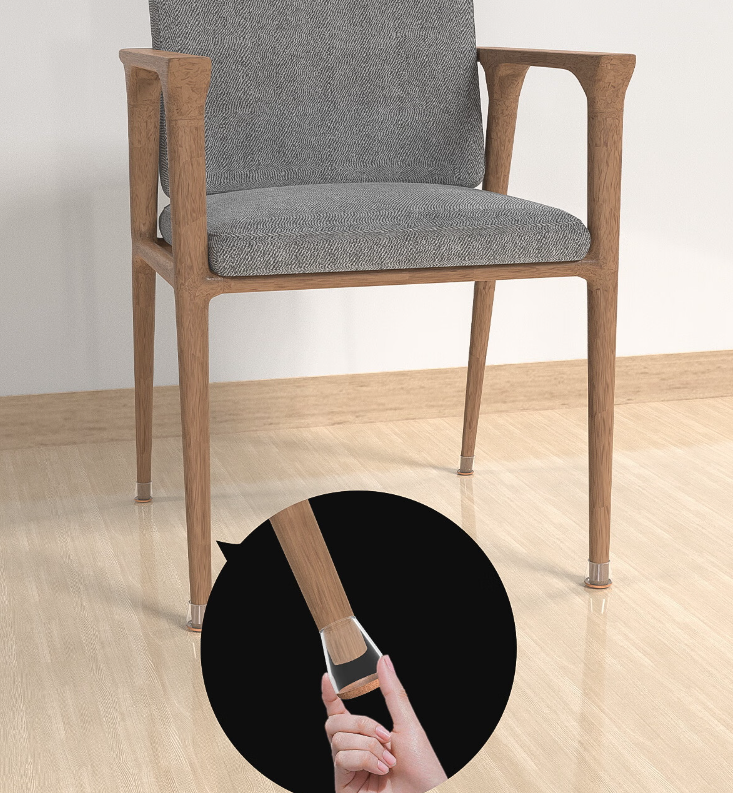
- Mute Foot Covers for Chairs: These simple yet effective products prevent the loud scraping noise that chairs make on hard surfaces. Ideal for offices or dining areas, they can make a noticeable difference in day-to-day noise levels.
- Wafer Acoustic Holography Module: This cutting-edge technology is designed for precision sound control and can map noise patterns to effectively reduce sound in specific areas of your home or office.



Real-World Applications and Success Stories
A growing number of companies have implemented acoustic solutions to create healthier environments for their employees. For instance, Apple and Google have integrated advanced soundproofing in their offices, combining open layouts with dedicated quiet zones for focused work. The result? Increased productivity, lower stress levels, and happier employees【Acoustical Society — Soundproofing in Offices】.
For those working from home, investing in sound-absorbing products can make all the difference. One customer reported that after installing acoustic slat wall panels and noise-reducing curtains in her home office, she finally experienced the peace and quiet needed to focus on her tasks. Her productivity skyrocketed, and she felt a significant reduction in the stress caused by household noise.
Final Thoughts: Take Control of Your Sound Environment
Sound may be invisible, but its impact on your mental health and productivity is very real. Thankfully, there are effective and accessible solutions to control it. Whether you’re dealing with noisy neighbors, office distractions, or the general hum of city life, you don’t have to suffer in silence — literally.
If you’re looking to create a more peaceful home or workspace, products like Damped Acoustic Flooring or Acoustic Slat Wall Panels are excellent places to start. Not only will they enhance your sound environment, but they’ll also contribute to a calmer, more focused mindset.
For more insights into the psychological effects of noise and how to combat it, you can check out the American National Standards Institute for standards on noise control【ANSI Noise Control Standards】, or explore resources from the National Institute for Occupational Safety and Health for noise reduction at work【NIOSH Noise Control】.
By taking the right steps, you can protect both your mental health and your peace of mind, one decibel at a time.
This article references:
- World Health Organization — Noise Guidelines
- European Environment Agency — Environmental Noise
- Acoustical Society of America — Office Acoustics
- American National Standards Institute — Noise Control Standards
- National Institute for Occupational Safety and Health — Noise Reduction at Work