In an age where sound has become an integral part of our daily lives, from music to communication, it is especially important to understand the importance of sound levels. As an acoustics company dedicated to promoting sound health, Dr. Sound believes it is vital to inform the public about the dangers associated with high volume.
This article explores the science behind sound, the effects of sound on human health, and ways to protect yourself.
Understanding Sound Levels
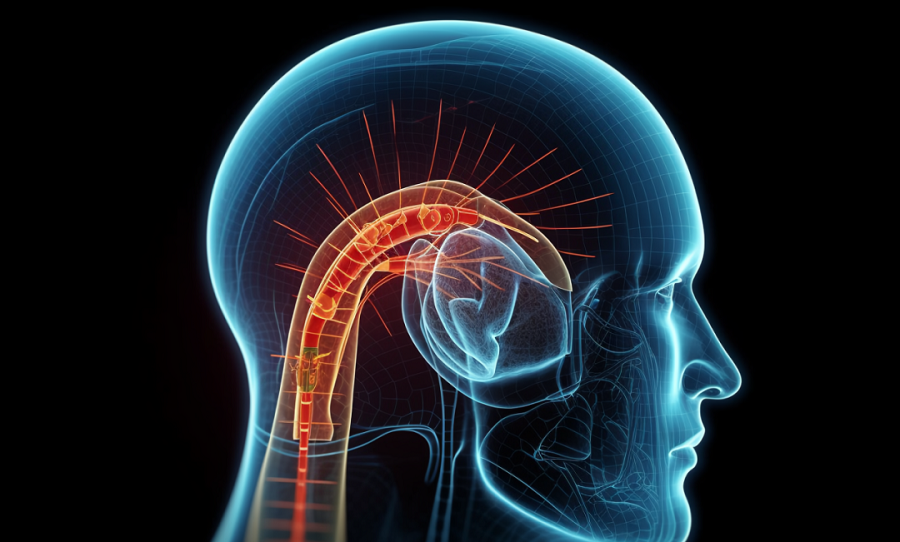
The human ear consists of delicate structures called hair cells located in the cochlea. These hair cells convert sound vibrations into electrical signals that the brain interprets as sound. Exposure to loud noises can damage these hair cells, leading to permanent hearing loss. These cells cannot regenerate once damaged, so prevention is key.
Short-term effects of loud sounds
Temporary Threshold Shift
After exposure to loud sounds, individuals may experience temporary hearing loss or a muffled feeling. This usually resolves itself within a few hours, but it is a warning sign of potential long-term damage.
Tinnitus
Tinnitus is a common short-term symptom that manifests itself as ringing or buzzing in the ears. While tinnitus may resolve, repeated exposure can lead to chronic tinnitus, which can seriously affect quality of life.
Physical discomfort
High sound levels can cause ear pain, headaches and general discomfort. This reaction indicates that the body is reacting to a harmful stimulus.
Long-term effects of loud sounds
Permanent Hearing Loss
Long-term exposure to sounds above 85 decibels can lead to irreversible hearing loss. Many workers in industries such as construction, music and manufacturing are at higher risk due to unregulated sound environments.
Elevated stress levels
Noisy environments can elevate stress hormones such as cortisol. Chronic high stress levels can lead to a variety of health problems, including cardiovascular disease.
Impaired communication skills
Hearing impairment can affect relationships and make communication difficult. This can lead to social withdrawal and mental health issues.
Cognitive decline
There is a correlation between hearing loss and cognitive decline in older adults. Difficulty in processing sound can hinder social interactions and lead to isolation and depression.
Measures to avoid loud noises
Volume control
Keep the volume at a safe level at concerts or when using headphones. A good rule of thumb is to follow the 60/60 rule – listen at 60% volume for no more than 60 minutes at a time.
Hearing protection
Earplugs or noise-canceling headphones can greatly reduce exposure to harmful sound levels. Earplugs and headphones are essential in noisy environments and during concerts.
Regular hearing checks
Routine hearing tests help detect early signs of hearing loss. Early intervention is key to managing changes in hearing health.
Disseminate knowledge about acoustics
Sharing knowledge about the risks associated with loud sounds can foster a community that cares about sound health.
As an acoustics company, our mission goes beyond sound innovation; we are committed to raising public awareness about sound safety.
Understanding the dangers of loud sounds and taking preventative measures can protect our hearing and overall health. Let’s work together to create a sound environment that is both enjoyable and safe for everyone.
The Harmful Effects of Car Noise and How Soundbox Provides the Solution
What are the dangers in a noisy environment?
Send Your Inquiry
Send Your Inquiry
If you want to know more about our company or information about the product, please complete this short form. We will reply to you as soon as possible.




Recent Comments