

The Ultimate Guide to Acoustic Solutions and Soundproofing
In today’s world, managing noise is more important than ever. Whether you’re creating a peaceful home environment, designing a productive workspace, or building a professional recording studio, understanding and controlling sound is key. This guide will cover common soundproofing questions and provide actionable, authoritative solutions. We’ll also introduce you to Soundbox’s top-rated acoustic materials that can make your space quieter and more comfortable.
1. What Is Acoustic?

Acoustics is the science of sound. It covers everything from how sound behaves and travels through different materials to how it interacts with various surfaces. Understanding basic acoustics is crucial for effective sound management, especially when trying to reduce noise and improve sound quality in specific environments.
For more in-depth knowledge, visit the Institute of Acoustics for a foundational overview.
2. How to Soundproof a Room
Soundproofing a room depends on the type and source of noise you’re dealing with. Here are some steps to reduce noise effectively:
- Seal Gaps and Cracks: Small gaps can let in a surprising amount of noise. Use caulk or weatherstripping to seal any cracks around windows and doors.
- Install Acoustic Panels: Soundbox’s PET Acoustic Slatwall Panels can turn regular walls into powerful noise barriers. They’re designed to absorb sound waves, reducing overall noise levels in a room.
- Add Mass to Walls: Adding layers of drywall or mass-loaded vinyl to walls can further reduce sound transmission.
Find a complete guide on soundproofing from Architectural Digest.
3. How to Build a Soundproof Booth

Soundproof booths are ideal for creating private spaces, whether for recording or quiet meetings. Here’s how to get started:
- Frame the Booth with Dense Materials: Materials like drywall or MDF (medium-density fiberboard) are commonly used to build soundproof structures.
- Add Acoustic Panels: Soundbox’s Soundproof Booth Kits are specially designed for ease of installation and provide superior sound insulation.
- Seal and Insulate: Make sure there are no gaps in the construction. Rubber seals and caulking can help ensure the booth is fully soundproofed.
For more DIY tips, check out Sound on Sound for building soundproof booths.
4. How to Cushion a Floor for Sound in an Apartment
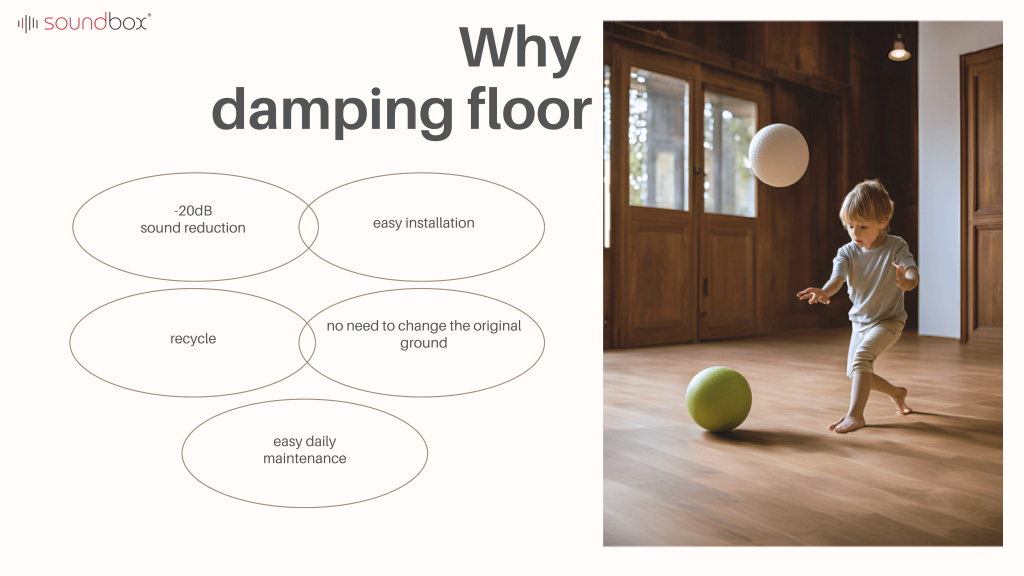
If you’re looking to reduce noise from footfalls or prevent sounds from traveling to neighbors below, soundproofing your floor is a smart move:
- Install Acoustic Underlayment: Soundbox’s Damped Acoustic Flooring Mat is an excellent solution for absorbing impact noise.
- Add Rugs and Carpeting: A thick rug with padding underneath can help dampen sound significantly.
For practical ideas, visit Apartment Therapy’s guide on soundproofing apartment floors.
5. How to Make a Room ‘Dry’ for Noise
Creating a “dry” room with minimal echo is particularly useful for recording or conference rooms:
Add Absorbent Materials: Soft materials like carpets, curtains, and Soundbox’s PET Acoustic Slatwall Panels can absorb sound, reducing reverberations.
Use Bass Traps: Adding bass traps in the room’s corners can reduce low-frequency sounds, making for a clearer acoustic environment.
Learn more about acoustic treatments from Audio University.
6. How to Soundproof Windows
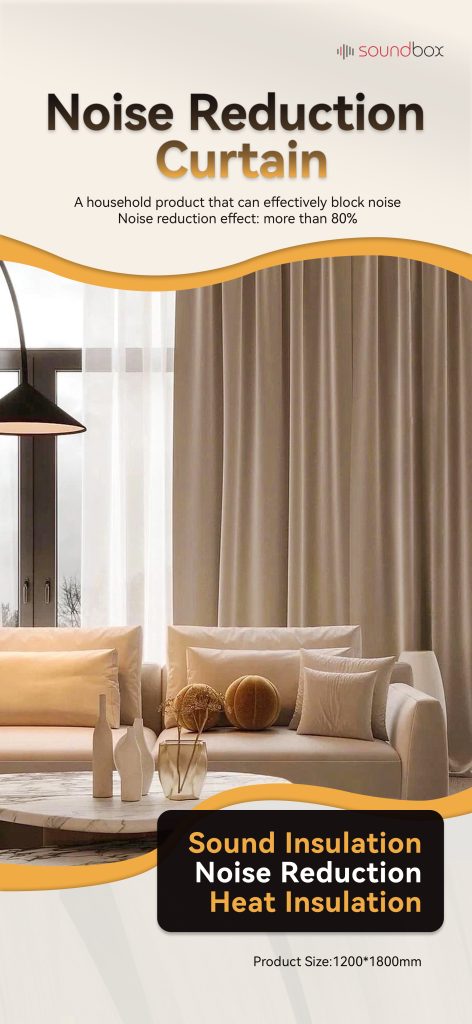
Windows are one of the main sources of external noise in any room:
Add Window Inserts: Window inserts create an extra barrier, adding a layer of sound insulation.
Use Thick Curtains: Heavy curtains, like Soundbox’s Acoustic Curtains, can help block out unwanted noise.
Seal the Frames: Weatherstripping can effectively seal any gaps around window frames to prevent noise leakage.
Find more on soundproofing windows at Home Depot.
7. How to Soundproof a Wall
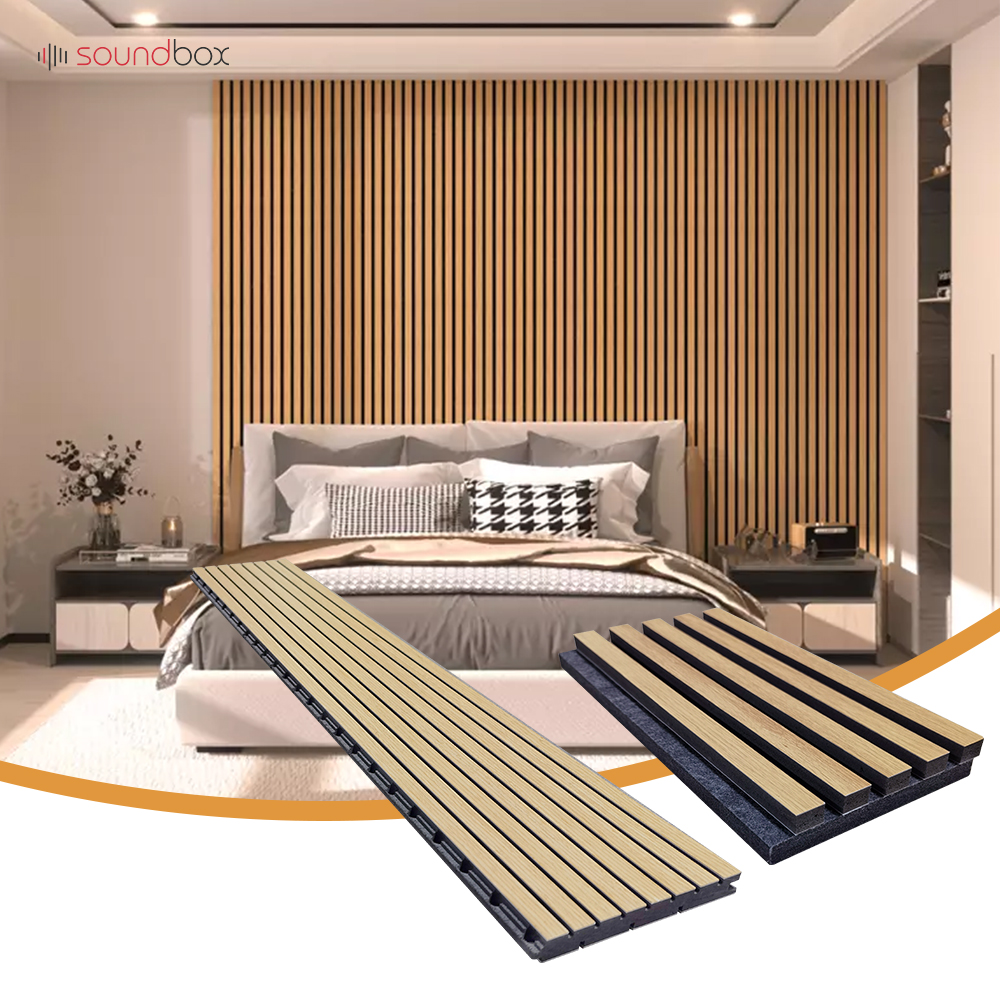
Walls are a critical component in soundproofing a room. Here’s how to make them more effective at blocking noise:
- Use Mass-Loaded Vinyl (MLV): MLV is a dense material that reduces sound transmission when installed inside walls.
- Install Acoustic Panels: Soundbox’s PET Acoustic Panels are easy to install and work well for both home and office settings to absorb and reduce noise.
Get more tips on soundproofing walls from Better Homes & Gardens.
8. How to Use Soundproof Walls

Soundproof walls are versatile for various noise reduction needs:
Identify Key Noise Sources: Focus on soundproofing walls adjacent to noise sources, such as shared walls in apartments.
Combine Techniques: Use a combination of materials like mass-loaded vinyl, acoustic panels, and resilient channels to create an effective soundproofing solution.
For professional tips, check out Bob Vila’s guide on soundproofing walls.
Why Choose Soundbox’s Acoustic Solutions?
Soundbox offers a wide range of acoustic solutions tailored to different environments and noise levels. Whether you’re using PET Acoustic Panels for walls, Damped Acoustic Flooring Mats for floors, or Soundproof Booth Kits for enclosed spaces, Soundbox products provide an effective and stylish way to manage sound. Our products are designed to fit seamlessly into your space while offering top-notch sound absorption.